
"French Martinique coffee"
500 article(s) found
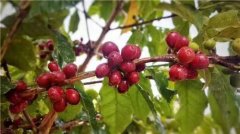
Why do foreigners like drinking coffee? This paper briefly introduces the origin and development history of foreign coffee.
The earliest coffee beans originated in Ethiopia. In 525 AD, Ethiopian troops invaded Yemen, and coffee beans were brought to Yemen by soldiers. According to records, coffee trees began to be planted in Yemen in 575 AD. Later, coffee beans were also brought to Egypt by Sudanese black slaves who were shipped to Egypt. After coffee was introduced into the Arab world, it was first used as a herb by Arabs to treat biases.

Delicious aroma Dominican coffee flavor Features Taste and manor
The earliest coffee in Dominica was introduced from Martinique (French overseas department), dating back to the early 18th century. Dominica is an island country with a tropical climate. The temperature changes little throughout the year. Except for the middle Cordillera mountain area, where the temperature is lower than 0℃ in winter, the average annual temperature in other areas is between 25 and 30℃, which is affected by the terrain of the mountains.

Introduction to the boutique coffee beans in the manor area
The earliest coffee in Dominica was introduced from Martinique (the overseas province of France), dating back to the early 18th century. Dominica is an island country with a tropical climate. The temperature changes little throughout the year. Except for the lower temperature in the Central Cordillera Mountains, which can reach less than 0 ℃ in winter, the annual average temperature in other areas is between 25 and 30 ℃, which is affected by the mountain topography.

Fragrance pleasant Dominican coffee variety characteristics taste Manor boutique coffee bean flavor
The earliest coffee in Dominica was introduced from Martinique (the overseas province of France), dating back to the early 18th century. Dominica is an island country with a tropical climate. The temperature changes little throughout the year. Except for the lower temperature in the Central Cordillera Mountains, which can reach less than 0 ℃ in winter, the annual average temperature in other areas is between 25 and 30 ℃, which is affected by the mountain topography.

Fresh and elegant Dominican Santo Domingo coffee flavor varieties Production area Fine coffee beans Features
In 1801, Jean L'Oréal arrived in Santo Domingo. He represented the French government in abolishing slavery. In 1802 Napoleon sent troops to conquer the island and ruled for several months. In October 1802, mixed races and blacks revolted against French rule and defeated the French in 1803. On January 1, 1804, the rebels declared Santo Domingo independent and established the Republic of Haiti. But defeated.

Smooth and smooth Dominica Coffee Flavor description Grinding degree Taste characteristics introduction of varieties
L'Or é al arrived in Santo Domingo in 1801. He abolished slavery on behalf of the French government. In 1802, Napoleon sent troops to conquer the whole island and ruled for several months. In October 1802, mixed-race and black people revolted against French rule and repelled the French army in 1803. On January 1, 1804, the rebels declared Santo Domingo independent and established the Republic of Haiti. But be defeated.

Introduction to the characteristics of Dominica coffee flavor and taste manor area
At the beginning of the 17th century, when French, Dutch and British pirates were operating in the west of Hispaniola, France began to allow farmers and merchants to gradually colonize the western part of the Spanish island, which was blocked by mountains on the island. It didn't attract the attention of the Spaniards in the east. [3] in 1677, about 4,000 French lived in 11 villages in the west of the island. In 1697, France and

Introduction to the characteristics of Dominica Santo Domingo Coffee Flavor Manor
At the beginning of the 17th century, French, Dutch, and British pirates were operating in the western part of the island of Hispaniola. France began to allow farmers and merchants to gradually colonize the western part of the Spanish island, blocked by the island's mountains. Without attracting the attention of Spaniards in the east, in 1677, about 4,000 French lived in 11 villages in the west of the island. In 1697, France and Spain

Coffee Development History Coffee in the World Color Development schedule
African shepherds discovered strange coffee fruits on the plateau in about 500 AD. Since then, humans have known coffee. Coffee was planted in Arabian Peninsula and used as medicinal and religious feed. Coffee was introduced into Europe from Venice, Italy, in 1554. The colorful European coffee culture began to be born in 1616. Coffee was spread to the Netherlands from the port of Mocha.

French writer Zalbach is indispensable to writing, celebrities who love espresso.
Balzac, the great writer with an unparalleled status in French literature, is addicted to espresso, which is bitter enough to paralyze his stomach without milk or sugar. He once said, "I will die of 30,000 cups of coffee." According to statistics by some experts, he drank about 50,000 cups of espresso in his life. Onored Balzac (Honor de Balzac) (20 May 1799, 1 August 1850)

Introduction of high-quality coffee beans in Dominica coffee flavor and taste area
In 1795, France and Spain signed the Basel Peace Treaty in Switzerland, agreeing to cede the Santo Domingo area in the eastern part of the island of Dominica to France, making the Spanish island a complete French colony. Six years later, Toussaint Lovidur, a black Haitian, led other black slaves to revolt against French rule and captured Santo Domingo in 1801.

A rich, aromatic Dominican coffee with flavor, character, taste and estate.
The earliest coffee in Dominica was introduced from Martinique (French overseas department), dating back to the early 18th century. Dominica is an island country with a tropical climate. The temperature changes little throughout the year. Except for the middle Cordillera mountain area, where the temperature is lower than 0℃ in winter, the average annual temperature in other areas is between 25 and 30℃, which is affected by the terrain of the mountains.
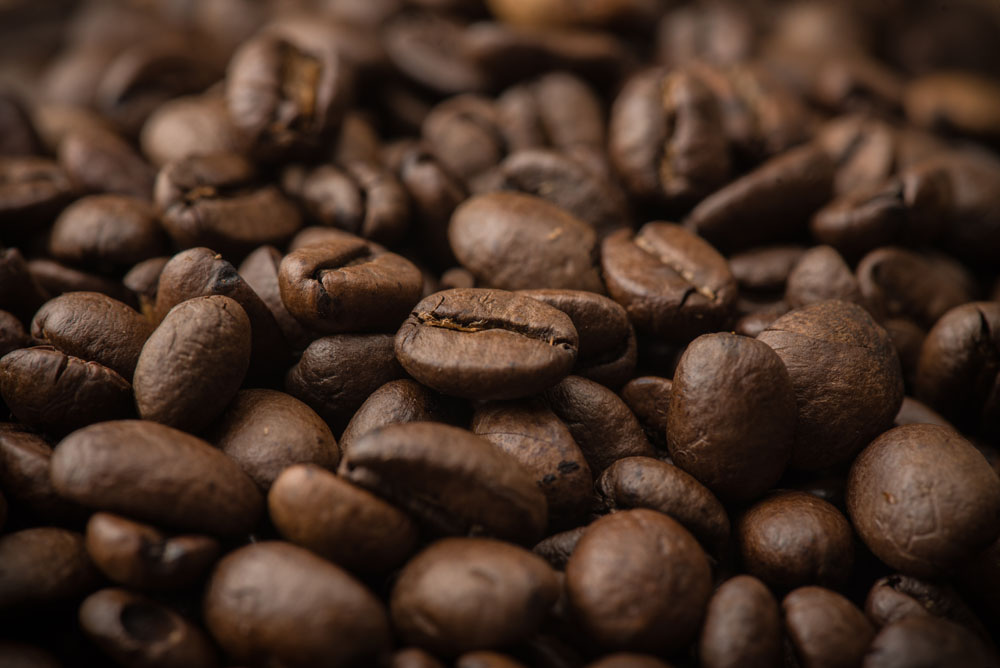
A rich, aromatic Dominican coffee with flavor, character, taste and estate.
The earliest coffee in Dominica was introduced from Martinique (French overseas department), dating back to the early 18th century. Dominica is an island country with a tropical climate. The temperature changes little throughout the year. Except for the middle Cordillera mountain area, where the temperature is lower than 0℃ in winter, the average annual temperature in other areas is between 25 and 30℃, which is affected by the terrain of the mountains.

Elegant fragrance of Sanrita estate fine coffee beans grinding degree roasting treatment method
Vietnam now produces more coffee than Colombia in Asia, and Indonesia has grown to become the world's fourth largest coffee producer. In 1721, French naval officer Gabriel Mathieu de Clieu took the first coffee sapling from Africa to Martinique in Latin America. All this is Latin American coffee

Santo Domingo Coffee Brewing Area Fine Coffee Bean Taste Introduction
The earliest coffee in Dominica was introduced from Martinique (French overseas department), dating back to the early 18th century. Dominica is an island country with a tropical climate. The temperature changes little throughout the year. Except for the middle Cordillera mountain area, where the temperature is lower than 0℃ in winter, the average annual temperature in other areas is between 25 and 30℃, which is affected by the terrain of the mountains.

Dominica Coffee Variety characteristics and Flavor description introduction to Fine Coffee beans in Manor
L'Or é al arrived in Santo Domingo in 1801. He abolished slavery on behalf of the French government. In 1802, Napoleon sent troops to conquer the whole island and ruled for several months. In October 1802, mixed-race and black people revolted against French rule and repelled the French army in 1803. On January 1, 1804, the rebels declared Santo Domingo independent and established the Republic of Haiti. But be defeated.

Dominica coffee with excellent acidity and pleasant aroma. Introduction to fine coffee beans.
The earliest coffee in Dominica was introduced from Martinique (the overseas province of France), dating back to the early 18th century. Dominica is an island country with a tropical climate. The temperature changes little throughout the year. Except for the lower temperature in the Central Cordillera Mountains, which can reach less than 0 ℃ in winter, the annual average temperature in other areas is between 25 and 30 ℃, which is affected by the mountain topography.

The basic knowledge of Fine Coffee Culture and the History of Coffee
African shepherds discovered strange coffee fruits on the plateau in about 500 AD. Since then, humans have known coffee. Coffee was planted in Arabian Peninsula and used as medicinal and religious feed. Coffee was introduced into Europe from Venice, Italy, in 1554. The colorful European coffee culture began to be born in 1616. Coffee was spread to the Netherlands from the port of Mocha.

It gives a faint fruity, lingering, smooth Dominican coffee finish.
The earliest coffee in Dominica was introduced from Martinique (French overseas department), dating back to the early 18th century. Dominica is an island country with a tropical climate. The temperature changes little throughout the year. Except for the middle Cordillera mountain area, where the temperature is lower than 0℃ in winter, the average annual temperature in other areas is between 25 and 30℃, which is affected by the terrain of the mountains.

The Development of Coffee the Cultural and Historical Development of Fine Coffee
African shepherds discovered strange coffee fruits on the plateau in about 500 AD. Since then, humans have known coffee. Coffee was planted in Arabian Peninsula and used as medicinal and religious feed in 1554. Coffee was introduced into Europe from Venice, Italy. The colorful European coffee culture began to be born in 1616. Coffee was spread to the Netherlands from the port of Mocha.